In recent years there has been an increasing interest in the integration of Eastern and Western medicine. This is not surprising given the benefits offered by these two approaches to healthcare. While Western medicine focuses on treating diseases and symptoms, Eastern medicine focuses on maintaining a healthy balance in the body and mind. In this blog we discuss the integration of Eastern and Western medicine and why it is so important to connect and use the best of both worlds in prevention and healing of people.
What is Oriental Medicine?
Oriental medicine is a collective name for various healing methods from Asia, including... Traditional Chinese Medicine (TCM), the Ayurvedic medicine from India and the Japanese Shiatsu massage. These therapies are based on the idea that the body and mind are connected and that maintaining a healthy balance between the two is essential for good health. Oriental medicine encompasses various practices including acupuncture, herbal medicine, tai chi and qigong.
What is Western Medicine?
Western medicine is the traditional medicine practiced in the West and is based on scientific principles and research. Western medicine focuses primarily on treating diseases and symptoms using medications, surgeries, and other medical procedures.
Why the integration of Eastern and Western medicine is important
By combining both approaches we can gain a more holistic view of a person's health and offer a wider range of treatments. For example, acupuncture can be used to relieve pain and reduce stress, while medications are used to treat the underlying cause of the condition.
In addition, there are more and more scientific studies proving the effectiveness of various oriental medicines. For example, a study published in the Journal of the American Medical Association showed that acupuncture can be effective in treating chronic low back pain. Another study, published in the Journal of Clinical Oncology, showed that a combination of acupuncture and chemotherapy can reduce the side effects of treatment and improve patients' overall quality of life.
In addition, the integration of Eastern and Western medicine also offers the opportunity to tailor treatments more to the individual patient. For example, by looking at the patient's individual constitution and symptoms according to the principles of Eastern medicine, treatment can be tailored to better suit the patient's needs.
Oriental medicine | Western medicine |
Acupuncture and acupressure can relieve pain and help treat various conditions | Medication may be prescribed to relieve pain and treat conditions |
Yoga, tai chi and meditation can help reduce stress, improve flexibility and overall health of the mind and body | Cognitive behavioral therapy and psychotropic medications can help treat anxiety disorders and other mental conditions |
Ayurveda therapy can help cleanse and detoxify the body, as well as strengthen the immune system | Surgery and antibiotics may be used to treat serious infections and to support the immune system |
Herbal medicine can be used to treat various conditions, such as high blood pressure and stomach upset | Physical therapy and orthopedic interventions can help treat pain and recovery after an injury or surgery |
Shiatsu and reflexology can be used to balance energy flow in the body and promote overall health | Chiropractic can help treat back and neck pain and promote nervous system health |
Combining these different approaches to medicine can provide patients with a wide range of options and can help achieve optimal health.
It is important to remember that each person is unique and has different needs, so a treatment that works for one person may not work for another.
Holistic view of health
The integration of Eastern and Western medicine leads to a more holistic approach to healthcare. This allows healthcare to be more tailored to the needs of the patient as a whole. A holistic approach to health involves looking not only at the patient's physical aspects, but also at the mental, emotional and spiritual aspects. It is an approach that views the mind and body as one and focuses on promoting the well-being of the whole person, rather than just treating symptoms.
An important aspect of this approach is the realization that a person's health depends not only on physical factors such as diet, exercise and medication, but also on factors such as stress, emotional balance, relationships and environmental factors. A holistic approach takes all these factors into account and attempts to balance them to promote optimal health.
For example, a holistic approach may focus on reducing stress and improving emotional and mental health through meditation, breathing exercises, yoga or counseling. Attention can also be paid to nutrition, environmental factors and exercise to support and promote the body.
Another important aspect of the holistic approach is the emphasis on prevention. Rather than waiting for symptoms to occur and then treating them, this approach tries to prevent problems before they arise. By supporting the patient in making healthy choices and adopting healthy lifestyle habits, the risk of illness and disease-related complications can be reduced.
A holistic approach to health can lead to an improved quality of life and better long-term health. It can also help reduce healthcare costs because it focuses on prevention and provides solutions that address the whole person.
In short, a holistic approach to health is one that focuses on the whole well-being of the person, including the mental, emotional and spiritual aspects. It is an approach aimed at prevention and balancing the factors that influence health.
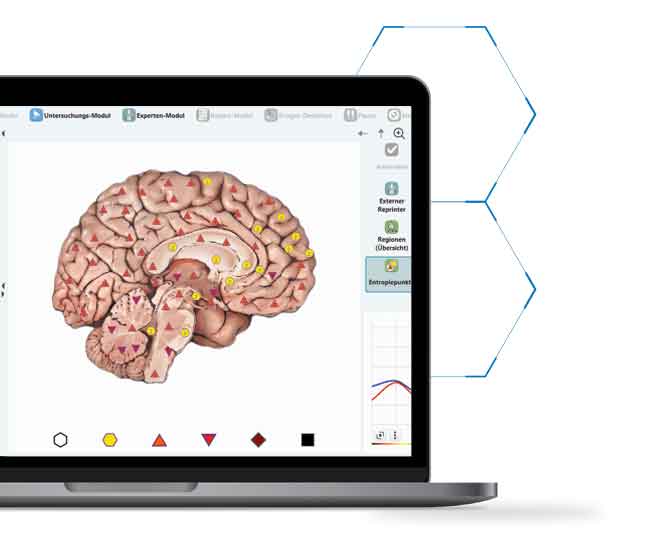
In Being in Balance coaching we use this holistic approach and the integration of east and west using advanced technology Being in Balance technology which can measure thousands of points in the body. We then use the extensive database to determine causes of possible imbalance so that we can help restore the balance with targeted coaching and interventions from technology (bioresonance).
In the Being in Balance databases, based on more than 50 years of research, contains frequencies of Western approaches such as pathologies, microorganisms (viruses, bacteria), allopathy (Western medicines), tissue frequencies and Eastern approaches such as acupuncture, chakras and gemstones and alternative Western approaches such as homeopathy, gemmotherapy (plants), regenaplexes (detoxification), Dr. Bach flowers, Dr. Rife frequencies, orthomolecular (nutrients) and much more.
It is also nice to see that my GP is increasingly referring people to me for an in-depth look at the Being in Balance technology. She is a fantastic GP with a holistic approach. In my opinion, these are also the general practitioners of the future, because people also want to know the background of their complaints and how they can treat them as completely as possible.
The integration of Eastern and Western medicine offers numerous health care benefits. By combining these two approaches, we can provide a more holistic approach to healthcare that better meets the needs of the patient/coachee. Furthermore, this integration could lead to a broader range of treatments and a more customized approach to healthcare. In these times of increasing healthcare costs and a growing demand for more personal and holistic approaches to healthcare, integrating Eastern and Western medicine is of great importance!